原标题:打击“灭绝式”捕捉 农业农村部会同多部门整治电捕蚯蚓乱象未来农业农村部将会同有关部门,加大工作力度,持续加强蚯蚓等土壤生物保护。

二 | 新京报讯(记者田杰雄)近期,农业农村部会同有关部门印发《关于加强野生蚯蚓保护 改善土壤生态环境的通知》,组织排查整治非法捕杀野生蚯蚓行为,促进土壤质量和生态环境保护。9月13日,农业农村部科技教育司有关负责人在就相关问题答记者问时指出,近年来,部分地区通过电捕蚯蚓的方式,对野生蚯蚓进行“灭绝式”捕捉,破坏土壤生态环境,且存在安全隐患,为保护耕地质量和生态环境,必须严厉打击电捕野生蚯蚓行为。农业农村部科技教育司有关负责人指出,蚯蚓是土壤生态系统重要物种,通过在土壤中穿行掘穴,可改善土壤团粒结构,提高土壤通气透水性、水资源利用效率等,为植物生长创造良好条件。同时,蚯蚓的取食、消化、排泄等活动,还能加速土壤中有机物质降解,促进土壤物质循环与能量流动,在平衡和稳定土壤生态系统方面发挥着重要作用。
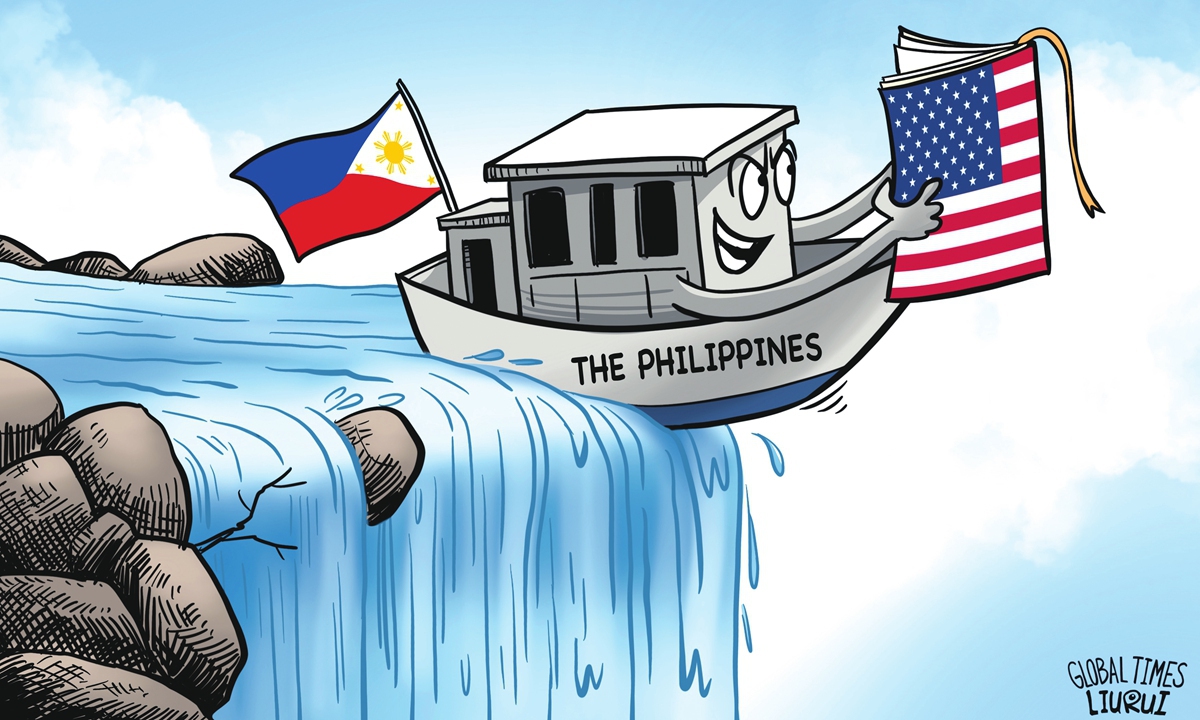
Illustration: Liu Rui/GTUS Pentagon official Elbridge Colby's latest Manila speech, in which he called on allies to "invest more" in their own defense and stressed that Washington wants "partners, not protectorates," has drawn attention from some Philippine media. Colby's claims also expose the fragility of the Manila-Washington alliance and Washington's push to enlist "Indo-Pacific" allies in serving its own strategic interests, a Chinese expert said, warning that the Philippines, by placing itself on the front line of provocations against China, risks being a geopolitical pawn left to bear the consequences on its own.
While delivering a speech at the Stratbase Institute in Manila, Philippines, on Monday, Colby, the Under Secretary of War for Policy, laid out the US' so-called "flexible realism" approach to the Indo-Pacific, stressing that the US is "definitely not disengaging from Asia" but strengthening its forward posture and seeking to build a "denial defense" along the First Island Chain, according to a transcript of the speech released on the US Department of War website.
At the same time, he called on US allies and partners to step up, invest more in their own defense, and take responsibility for their own sovereign security. "We are looking for partners, not protectorates," Colby claimed.
The claims have drawn attention from some Philippine media outlets, with some linking them to the South China Sea issue. However, the transcript of Colby's speech showed that he did not mention China, the Global Times found.
A Manila Bulletin report noted that after calling on allies to invest more in defense, Colby cited the Philippines as an example of the "kind of partner Washington wants to work with." He praised Manila for "strengthening its military and coast guard capabilities while deepening operational cooperation with the US" amid what the report described as China's "aggression" in the South China Sea.
Colby's visit to Manila marked his first official trip to Southeast Asia as an undersecretary under the Trump administration. He is scheduled to travel from Manila to Jakarta, Indonesia; Bangkok, Thailand; and Phnom Penh, Cambodia, said the report.
Meanwhile, a Manila Standard report interpreted Colby's remarks as showing that "the US is working closely with the Philippines" to strengthen Manila's military capabilities and protect its sovereign rights in the South China Sea, despite the fact that Colby did not mention China in his speech.
The US appears to be adopting a more retrenchment-style approach, shifting from leading directly to relying on regional allies to take the frontline role while providing support. This approach allows Washington to advance its interests while lowering its own costs, Song Zhongping, a Chinese military affairs expert, told the Global Times.
Song noted that Washington seeks to use repeated maritime frictions to tie down Chinese resources, which helps explain Colby's praise for Manila: the Philippines bears part of Washington's strategic burden while receiving largely rhetorical US support.
A South China Morning Post report on Tuesday noted that Colby avoided mentioning the recent disputes over Huangyan Dao, despite Washington having criticized China's establishment of a nature reserve there just two days earlier. The report described the omission as a "measured tone" ahead of a potential meeting between the Chinese and US leaders.
Washington's primary concern is its own interests. At the core of its "Indo-Pacific strategy" is strengthening its alliance network by pushing partners such as the Philippines to shoulder greater security burdens in pursuit of US strategic goals. As US-China diplomatic dynamics evolve, countries serving as Washington's geopolitical spearheads in confrontations with China risk being left behind, said some observers.
Song noted that this also reveals the fragility of the US-Philippine relationship.
The US has encouraged the Philippines to take the front line in confrontations with China while offering mostly rhetorical support. Should tensions escalate, Manila would bear much of the cost on its own, said the expert.
。

三 | 近年来,受蚯蚓制成的“地龙干”价格飙升等因素影响,在部分地区出现电捕野生蚯蚓现象,不法分子利用“地龙仪”“电蚯蚓机”等设备,对野生蚯蚓进行“灭绝式”捕捉。这种行为会导致蚯蚓数量急剧下降,破坏土壤生态环境,影响农作物产量,而且有关仪器设备多为非法改装改造,存在安全隐患,还可能致人触电身亡。今年7月,农业农村部会同国家林草局、市场监管总局、生态环境部、公安部、国家中医药局、国家药监局联合印发《关于加强野生蚯蚓保护 改善土壤生态环境的通知》,部署各地核实整治在农田、森林、湿地、草原及自然保护地等区域电捕野生蚯蚓,以及非法收购、加工野生蚯蚓问题。新京报记者获悉,8月下旬,贵州毕节“电捕野生蚯蚓”民事诉讼案曾引发关注,这也是我国首例蚯蚓保护民事公益诉讼案。四名被告人唆使当地村民使用禁猎工具非法捕捉、加工、销售野生蚯蚓,最终四名被告被判赔偿超20万元。

四 | 农业农村部科技教育司有关负责人介绍,未来农业农村部将会同有关部门,加大工作力度,持续加强蚯蚓等土壤生物保护,不断改善和提升土壤生态环境。一方面推动完善法律法规和政策制度,加强蚯蚓等土壤生物保护,进一步明确打击滥捕野生蚯蚓等野生动物的适用依据及法律责任。另一方面持续打击非法捕捉、收购、加工野生蚯蚓的行为,常态化开展对生产、销售依法禁用猎捕工具的监督管理。同时加大蚯蚓人工饲养技术研发支持力度,优化集成推广选种选育、高效繁殖、防病防逃等关键技术。规范蚯蚓药用、饲用等产业发展,完善人工养殖技术标准规范,推动相关产业有序发展。编辑 张树婧校对 柳宝庆返回搜狐,查看更多责任编辑:
Current article:http://jmyi.linlangdouwaqiexusan.bond/j4nuzb/20260826/964978.html


